The Unassuming Hero: Exploring the World of the Thumbtack
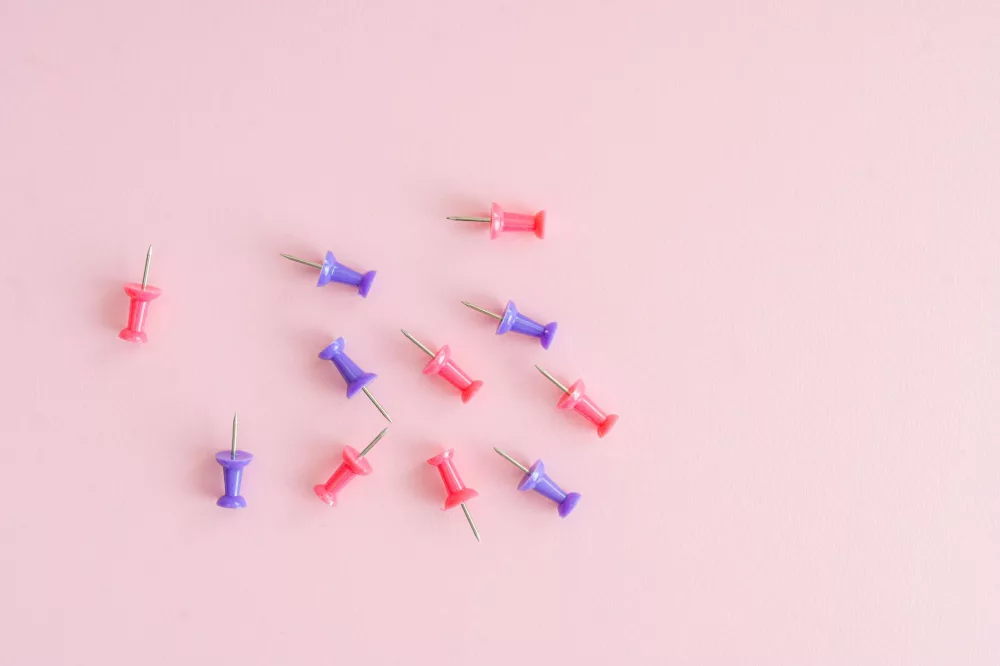
We often overlook the simplest tools, don't we? They're just always there, doing their job without much fuss. But few items embody this quiet utility quite like the thumbtack. This tiny, unassuming hero of our offices, homes, and classrooms plays a surprisingly significant role in organizing our lives, displaying our creativity, and even marking important locations. I mean, think about it: where would our bulletin boards be without them? I'm talking about that small, sharp, multi-purpose fastener that, with a simple push of your thumb, secures paper, fabric, or even lightweight decorations to various surfaces. It’s a common fixture, yet its history, evolution, and sheer variety are actually pretty fascinating once you start looking closer.
A Brief Look Back: The Thumbtack's Origins
It's interesting to consider where everyday objects come from, and the thumbtack is no exception. While pinning things up isn't a new concept, the modern thumbtack as we know it really came into its own around the turn of the 20th century. Before that, people used all sorts of sharp objects to attach things to walls or boards. But those early solutions often weren't very practical or safe; sometimes they were just plain difficult to use. Can you imagine trying to push a regular nail into a corkboard without a hammer?
Many folks credit Edwin Moore with inventing the modern pushpin, or what we often call a thumbtack, in 1900. He started the Moore Push-Pin Company in New Jersey, and his design, featuring a flat metal head attached to a sharp pin, quickly caught on. It was a simple, elegant solution. You could press it in with your thumb without hurting yourself, and it held things securely. In Germany, around the same time, Johann Kirsten also developed a similar item, sometimes referred to as a 'drawing pin.' So, while there's a bit of a debate about who truly came first or what constitutes the 'original' design, it's clear that the need for such a device was ripe, and innovation happened almost simultaneously across different regions. It truly revolutionized how we display and organize.
What Exactly Are We Talking About? The Thumbtack's Anatomy
At its core, a thumbtack is a pretty straightforward piece of hardware, but its design is really quite clever for its intended purpose. It typically consists of two main parts: the head and the shank or pin. The head is the broad, flat or domed part that you press with your thumb, providing a safe surface and distributing the force. This design ensures that the pin goes into the surface smoothly, and you don't end up with a painful prick on your finger. The shank, on the other hand, is the sharp, pointed part that actually pierces and holds the material. It's usually made from a hardened steel wire.
The materials used can vary, too. Most common thumbtacks have metal heads, often brass-plated or nickel-plated steel, for durability and a bit of aesthetic appeal. You'll also find plenty with plastic heads, especially in the more colorful pushpin varieties. These plastic heads are often more comfortable to press and come in a dazzling array of colors, making them super popular for decorative or organizational coding purposes. What we choose really just depends on the job at hand, doesn't it?
The Many Faces of the Thumbtack: Types and Varieties
When you say
About Editorial Team
Senior columnist and culture critic specializing in architectural designs, emerging high-growth systems, and contemporary philosophies.