Integrated Engineering: Bridging Disciplines for Tomorrow's Innovations
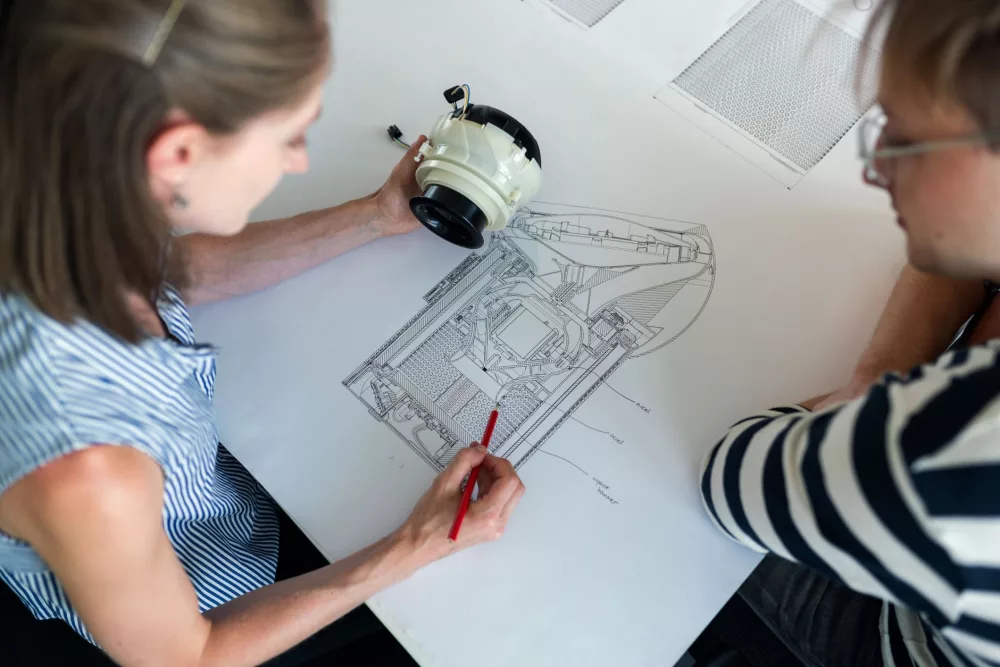
What Even is Integrated Engineering, Anyway?
You know, for a long time, we've thought about engineering disciplines as these separate little islands. You had your mechanical engineers, your electrical engineers, civil engineers, software folks, all doing their own thing, often in their own departments, with their own jargon and their own set of problems to solve. And that worked pretty well for a while, particularly when products and systems were less complex. But honestly, as the world keeps getting more complicated, as the challenges we face become interconnected, that traditional, siloed approach just doesn't cut it anymore. That's where integrated engineering comes in, and frankly, it's a game-changer.
So, what am I talking about? At its heart, integrated engineering isn't just about sticking different engineers in the same room. No, it’s a systematic approach to design, development, and deployment that deliberately brings together multiple engineering disciplines, and sometimes even non-engineering fields, right from the very start of a project. It’s about tearing down those metaphorical walls and building bridges instead. It’s about recognizing that modern problems, like designing a self-driving car or a smart city, can’t be solved effectively by just one type of engineer working in isolation. We need everyone talking, everyone collaborating, everyone understanding the bigger picture. I often think of it as orchestrating a symphony rather than having a bunch of soloists playing different tunes. Each instrument is vital, but their harmony makes the real magic happen, right?
The Shifting Sands: Why We Needed Integration
If you look back, say, fifty or sixty years ago, things were a bit simpler, weren't they? Products were less 'smart.' An automobile was largely a mechanical system with some basic electrical components. A building was a structural and architectural challenge. Now? Oh boy, things are different! My phone, for instance, isn't just a piece of hardware; it’s an intricate blend of mechanical design, electrical circuits, complex software, user interface psychology, and even materials science. To build something like that today, you just can't have the hardware team throwing specs over the fence to the software team and expecting perfection. It just doesn't work that way.
We’ve seen this evolution across industries. Think about aerospace – modern aircraft are unbelievably complex, with fly-by-wire systems, advanced avionics, and composite materials all needing to interact seamlessly. Or consider medical devices, where bioengineering, electronics, and software have to work together flawlessly to ensure patient safety and efficacy. These aren't just isolated components; they're tightly coupled systems. And that, in my opinion, is why integrated engineering isn't just a nice-to-have; it's absolutely essential. We've moved from solving individual component problems to solving system-level challenges.
The Core Ideas Behind This Integrated Approach
When we talk about integrated engineering, there are a few really important concepts that I think underpin the whole philosophy. It's not just a buzzword; it’s a way of thinking and working.
Holistic Systems Thinking: This is probably the biggest one. Instead of focusing on individual parts, we're encouraged to see the product or system as a whole. What are its overall goals? How do its different subsystems interact? What are the ripple effects if we change one part? It's about understanding the forest, not just the trees, you know?
Early and Continuous Collaboration: My experience shows that bringing everyone to the table right at the beginning of a project saves so much heartache later on. Design choices made by one team can have massive implications for another. When everyone communicates early and often, we catch potential conflicts, identify interdependencies, and align on goals from day one. It's truly about preventing problems before they even become problems.
Interdisciplinary Skill Sets: We're seeing a push for engineers to have a broader understanding beyond their specialty. A mechanical engineer might benefit from knowing a bit about software principles, or an electrical engineer understanding basic materials science. It doesn't mean becoming an expert in everything, but having enough cross-disciplinary knowledge to communicate effectively and appreciate other perspectives is incredibly valuable.
Lifecycle Perspective: Integrated engineering looks at the entire life of a product or system – from conception and design, through manufacturing, testing, deployment, maintenance, and even eventual decommissioning. Thinking about how a product will be maintained or upgraded while it’s still in the design phase can lead to much more robust and cost-effective solutions in the long run. It's about foresight, I'd say.
The Real Upsides: Why Bother with All This Integration?
So, what do we actually gain from all this effort? Well, the benefits are pretty compelling, if you ask me. This isn't just academic theory; these are tangible advantages that impact the bottom line and product quality.
Innovation and Better Problem Solving: When you bring diverse minds together, you naturally spark more creative solutions. Different perspectives often reveal new approaches that a single discipline might miss. It’s like having a brainstorming session with a much wider array of expertise. We get more robust, innovative products, plain and simple.
Efficiency and Cost Savings: By identifying and addressing issues early through collaboration, we drastically reduce costly rework and delays later in the project. Imagine catching a design flaw in the conceptual stage versus finding it during production. The cost difference is astronomical. This holistic view genuinely streamlines processes.
Reduced Risks: Complex systems inherently carry risks. Integrated engineering helps us mitigate these by systematically identifying potential failure points across different subsystems and planning for them. It’s about anticipating problems and having solutions ready before they cause major disruptions.
Higher Quality and Performance: When all the pieces fit together seamlessly, the end product just works better. It's more reliable, performs closer to its optimal potential, and ultimately provides a better experience for the user. Think about how smoothly a modern car’s various systems communicate – that’s integrated engineering at work.
The Bumpy Road: Challenges We Face
Now, I wouldn’t want to give you the impression that this is all smooth sailing. Implementing integrated engineering isn't without its hurdles. Old habits die hard, after all.
Organizational Silos: This is a big one. Companies often structure themselves by discipline, and breaking down those departmental barriers requires significant organizational change and leadership buy-in. It’s a cultural shift, not just a technical one.
Skill Gaps: As I mentioned, a broader understanding is helpful. But finding engineers who have deep expertise in one area *and* a good grasp of others can be tough. We need to invest in training and professional development to bridge these gaps.
Tool Integration: Different disciplines often use different software tools – CAD for mechanical, IDEs for software, circuit design tools for electrical. Getting these tools to 'talk' to each other, to share data seamlessly, can be a real headache. Interoperability is a constant struggle.
Communication Barriers: Even when people are willing to collaborate, they might speak different 'languages.' A mechanical engineer’s definition of 'tolerance' might be different from a software engineer’s. Establishing common terminology and communication protocols is crucial.
Where Do We See It? A Few Examples
Integrated engineering is truly everywhere, even if we don't always call it out specifically. It's in the products we use every day. Consider:
Modern Automobiles: From the engine management system coordinating fuel injection and ignition, to the infotainment system integrating navigation, communication, and climate control – it's a symphony of mechanical, electrical, and software components.
Aerospace Industry: Designing a new aircraft involves hundreds of engineers from different specialties, all working together to ensure structural integrity, aerodynamic performance, avionics functionality, and passenger comfort and safety. That's heavy-duty integration.
Smart Buildings and Infrastructure: Think about a building that manages its own energy consumption, adjusts lighting based on occupancy, and optimizes HVAC systems. This requires civil, electrical, mechanical, and software engineers collaborating closely. The future of cities is undeniably integrated.
Medical Devices: A complex surgical robot, for example, combines precision mechanical engineering, advanced electronics, sophisticated control software, and an understanding of human anatomy and physiology. It's a prime example of multidisciplinary work for critical applications.
Looking Ahead: The Future is Integrated
Honestly, I think we're only scratching the surface of what integrated engineering can achieve. With advancements in areas like Artificial Intelligence, Machine Learning, and the Internet of Things, the need for this approach is just going to intensify. Imagine AI helping us optimize designs across disciplines in real-time, or digital twins allowing us to simulate entire product lifecycles before a single physical component is made. We're talking about a future where our tools themselves become more integrated, further blurring the lines between disciplines and helping us build even more sophisticated, reliable, and intelligent systems.
My take is that integrated engineering isn’t just a trend; it's the new standard. It's how we'll tackle the grand challenges of our time, from climate change and sustainable energy to advanced healthcare and space exploration. By fostering collaboration, embracing holistic thinking, and breaking down those old disciplinary walls, we’re not just building better products; we’re building a better way to innovate. And that, I believe, is pretty exciting.
About Editorial Team
Senior columnist and culture critic specializing in architectural designs, emerging high-growth systems, and contemporary philosophies.