Industrial Embedded PCs: The Unsung Heroes of Modern Industry
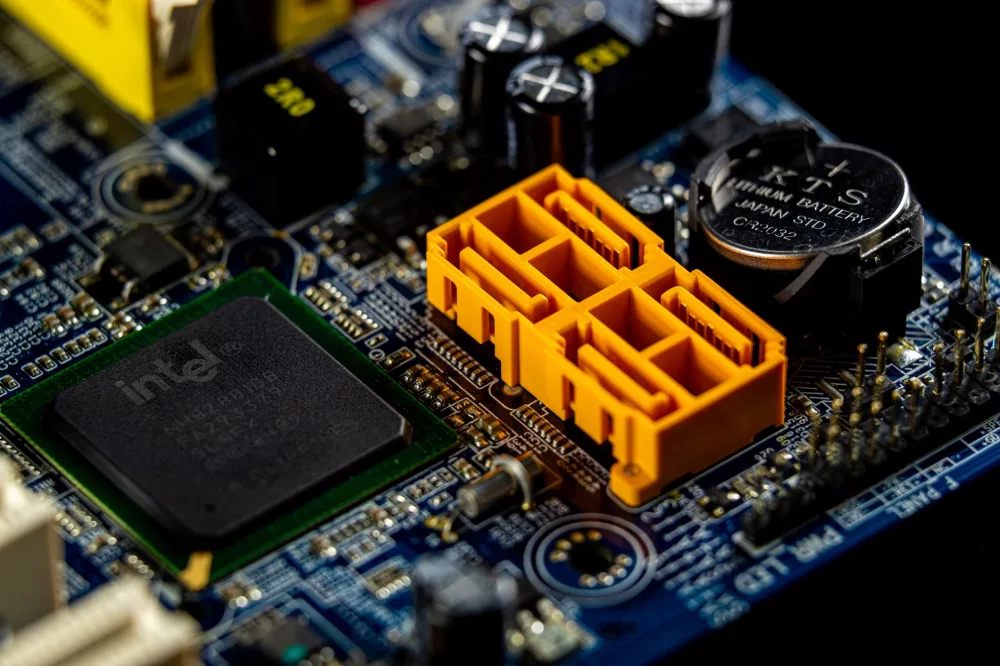
Alright, let's talk about something that's probably humming along quietly in countless factories, warehouses, and even our transit systems right now: the industrial embedded PC. When I say "PC," you probably picture a desktop tower under someone's desk or a sleek laptop. But an industrial embedded PC? That's a whole different beast, built for environments where your average office computer would quickly call it quits. I've spent a fair bit of time looking at these devices, and honestly, they're pretty fascinating because of just how much heavy lifting they do without us even realizing it.
What Exactly Is an Industrial Embedded PC?
So, what are we really talking about here? Think of an industrial embedded PC as a specialized computer system, purpose-built to perform dedicated functions within a larger mechanical or electrical system. Unlike a general-purpose PC that's designed for a wide range of tasks and user interaction, an embedded PC is often part of a machine, working silently in the background. It's compact, usually highly robust, and engineered for reliability and long-term operation in challenging conditions. You won't be using one to browse the web or play games, trust me. Its job is far more critical, controlling machinery, collecting data, or managing automated processes.
We see them everywhere, from automating production lines to managing traffic signals. These little powerhouses are designed to be integrated, often hidden away, and simply *work* without fuss, sometimes for years on end, through heat, cold, dust, and vibrations. That's a tall order for any piece of electronics, wouldn't you agree?
Key Characteristics That Set Them Apart
What makes an industrial embedded PC so different from your everyday desktop? Well, a lot, actually. I'd say there are several stand-out features that really define them:
- Ruggedness Beyond Belief: This isn't just marketing fluff. These machines are built to withstand extreme temperatures, shocks, vibrations, and sometimes even direct exposure to dust or water. Their enclosures are often fanless, sealed, and made from durable materials like aluminum.
- Fanless Design for Reliability: Many industrial PCs are completely fanless. Why does this matter? Fans are moving parts, and moving parts fail. Plus, fans suck in dust and contaminants, which are a no-go in many industrial settings. A fanless design means fewer points of failure and better operation in dirty environments.
- Wide Operating Temperature Ranges: Imagine a computer working perfectly in a freezer at -40°C or next to a blast furnace at +70°C. Regular computers? No chance. Industrial embedded PCs are engineered to handle these extremes.
- Specialized I/O (Input/Output) Options: You're not just getting USB ports. These systems often feature a diverse array of industrial-grade ports like RS-232/422/485, CAN Bus, GPIO, and multiple LAN ports for connecting to legacy equipment, sensors, and control systems. They're designed to talk to *machines*, not just other computers.
- Long-Term Availability & Support: Industrial projects have long lifecycles. Manufacturers of embedded PCs understand this, offering product availability and support for years, even decades, ensuring consistency and reducing the need for costly redesigns or re-certifications.
- Low Power Consumption: Often operating 24/7, efficiency is key. They're designed to consume minimal power, which not only saves energy costs but also contributes to lower heat generation, which helps with reliability.
Where Do Industrial Embedded PCs Really Shine?
Honestly, it's incredible how many places these systems pop up. I mean, we're talking about a vast range of applications. Let me just give you a glimpse into a few industries where they're absolutely indispensable:
- Manufacturing and Factory Automation: This is a big one. They control robotic arms, manage production lines, perform quality inspections using machine vision, and handle SCADA (Supervisory Control and Data Acquisition) systems. They're the brains behind the automated factory floor.
- Transportation: Think about intelligent transportation systems (ITS). Embedded PCs power traffic management systems, digital signage at bus stops, onboard vehicle diagnostics, and even fare collection systems on trains and buses. They have to be tough to handle constant motion and varied weather.
- Energy Management & Utilities: From monitoring smart grids and controlling remote oil and gas pipelines to managing renewable energy systems like wind farms, these PCs are crucial for ensuring stable and efficient energy delivery.
- Retail and Digital Signage: You might see them powering interactive kiosks, point-of-sale (POS) systems, or those large digital displays in stores or public spaces. Their fanless and reliable nature makes them perfect for these always-on applications.
- Medical and Healthcare: Integrated into medical imaging equipment, patient monitoring devices, and laboratory instruments, they provide the necessary processing power and reliability for critical healthcare applications.
- IoT and Edge Computing: As the Internet of Things expands, industrial embedded PCs are acting as powerful edge gateways, collecting and processing data from numerous sensors and devices locally before sending relevant information to the cloud. This reduces latency and improves efficiency.
The Real Advantages: Why Choose One Over a Standard PC?
I know what you might be thinking: "Can't I just use a regular mini-PC?" And my answer would be a firm, "Probably not, not reliably anyway." The advantages of opting for an industrial embedded PC truly boil down to a few critical areas:
First, there's the unmatched reliability. Downtime in an industrial setting isn't just an inconvenience; it's hugely expensive, potentially costing thousands of dollars per minute. These systems are engineered from the ground up to avoid failure, ensuring continuous operation. This means less maintenance, fewer technician call-outs, and more predictable operations for businesses. That's a significant financial gain, isn't it?
Then we have security. With more and more industrial systems connected, security is paramount. Many industrial embedded PCs come with hardware-level security features and robust operating systems designed to resist cyber threats, protecting sensitive data and critical infrastructure from malicious attacks. When you're talking about controlling essential services, you don't want any weak links in your chain.
Finally, let's talk about longevity and total cost of ownership (TCO). While the upfront cost of an industrial embedded PC might seem higher than a consumer-grade PC, their extended lifespan, minimal maintenance needs, and long-term availability of components dramatically reduce the TCO. You're not replacing them every two or three years; they're built to last a decade or more. That's a smart investment, if you ask me.
Looking Ahead: The Future of Embedded Computing
The industrial embedded PC market is far from stagnant. In fact, I'd say it's quite dynamic. We're seeing trends like increasing integration of AI and machine learning capabilities directly onto the devices for more intelligent edge computing. This means real-time decision-making without needing to send data all the way to the cloud and back. Pretty cool, right?
We're also observing a greater emphasis on modularity, allowing for easier customization and upgrades. Imagine being able to swap out processors or add specialized modules for different sensing requirements without having to replace the entire unit. That's a game-changer for adaptability.
Connectivity is another area of rapid growth. With the rise of 5G, we'll see even more robust and faster wireless communication capabilities integrated into these systems, making truly distributed and connected industrial environments a reality. It's an exciting time to be involved in this space, and I'm genuinely looking forward to seeing how these unsung heroes continue to evolve and shape our industrial world.
About Editorial Team
Senior columnist and culture critic specializing in architectural designs, emerging high-growth systems, and contemporary philosophies.